
Бренды, основанные на влиянии, и стартапы, создающие нишевые продукты, сталкиваются с непреодолимой проблемой: утонуть в море одинаковых продуктов, конкурируя с признанными гигантами.
Поставщики дропшиппинга с частными торговыми марками преображают бренд, предлагая индивидуальную упаковку, персонализированные вкладыши и гибкие варианты MOQ, которые позволяют стартапам создавать отличительные продукты без огромных предварительных инвестиций. Стратегические партнерства с поставщиками услуг по выполнению заказов открывают возможности профессионального брендинга, который выделяет продукцию на переполненных рынках.
This guide has been fully audited and expanded for 2026 to include the top-performing services. Below, I've curated the best private label dropshipping suppliers that can successfully scale your custom brand this year. Whether you're just starting out or already doing 10+ orders a day, there's a partner on this list that fits where you are right now.
| Поставщик | Лучшее для | MOQ | Turnaround | Starting cost | Integrations |
|---|---|---|---|---|---|
| 1. Printful | Apparel POD beginners | Нет | 2–5 day production | $0 (branding add-ons from $0.99) | Shopify, WooCommerce, Etsy, Wix, BigCommerce, Amazon, eBay + |
| 2. Printify | Multi-category POD at scale | Нет | 2–7 day production | $0 (Premium from $24.99/mo) | Shopify, WooCommerce, Etsy, TikTok Shop, Amazon, eBay + |
| 3. Supliful | Supplements & wellness | Нет | Automated (not published) | $0 → $49/mo (Pro) | Shopify, ClickFunnels |
| 4. DR.HC Cosmetic Lab | Clean beauty & skincare | None (private label) / 12 (custom) | 1-3 дня | $120/mo + $100 setup | Shopify, Wix, WooCommerce, BigCommerce, Ecwid + (CSV any) |
| 5. CJ Dropshipping | Broad catalogs & China direct | None (custom packaging from 1 unit) | 48h sourcing; transit varies | $0 (no subscription) | Shopify, WooCommerce, TikTok Shop, eBay, Amazon, Etsy, Wix + |
| 6. Apliiq | Premium apparel & cut-and-sew | Нет | ~2 day shipping | $0 (VIP $39.99/mo) | Shopify, WooCommerce, Etsy + API |
| 7. DragonFulfill | Scaling brands (10+ orders/day) | 10 orders/day to onboard; 100/day for custom packaging | 1–3 days fulfillment; 15–30 days private-label production | No setup fee (quote-based) | Shopify, WooCommerce, Amazon, eBay + |
Supplier Comparison: Pricing, MOQ & Integrations
To help independent eCommerce sellers and influencer brands find the right fulfillment partner, here is a breakdown of the leading suppliers that support custom packaging and logo branding. Each entry covers MOQ, turnaround, pricing, product categories, and integrations so you can compare on the criteria that matter.
1. Printful — Best for apparel POD beginners
Printful is the largest print-on-demand fulfillment network with production hubs across North America, Europe, and APAC. Unlike marketplace-style POD platforms, Printful owns its facilities. That gives beginners a fully controlled, predictable fulfillment experience. Every order is printed, packed, and shipped under your brand, with optional inside-neck labels, branded pack-ins, and custom packing slips.
- MOQ: None. Private-label branding add-ons are charged per item with no minimum.
- Turnaround: 2–5 business days for production (over 97% of orders ship within 5 days; over 50% within 3 days). Standard US shipping adds 2–9 business days; Express 1–3 days.
- Pricing: Free plan ($0) with full catalog access. Printful Growth at $24.99/month unlocks up to ~33% off products (becomes free above $12K/year in sales). Branding add-ons: inside label $0.99, outside label $2.49, pack-in picking $0.50 per item, custom packaging storage from $25/month.
- Product categories: 500+ products spanning apparel, hats and accessories, drinkware, home décor, puzzles, and embroidered items.
- Integrations: Shopify, WooCommerce, Wix, Squarespace, BigCommerce, Ecwid, Adobe Commerce (Magento), Etsy, Amazon, eBay, Big Cartel, PrestaShop, plus API access.
2. Printify — Best for multi-category POD at scale
Printify takes a different approach from Printful: instead of owning facilities, it connects your store to a network of 90+ print providers operating 140+ fulfillment centers worldwide. This marketplace model forces providers to compete on price and location. That gives you the widest product selection and often the lowest base cost per SKU — ideal once you're past the testing phase and scaling volume.
- MOQ: None. Custom neck labels and packaging inserts are available on-demand per single unit with no storage fees.
- Turnaround: 2–7 business days for production (items enter production within 24 hours of approval). Standard US shipping 2–5 business days from $4.75; Priority 2–3 days.
- Pricing: Free plan ($0) for up to 5 stores with unlimited designs. Premium at $24.99/month billed annually (or $39/month monthly) adds up to 20% off all products. Branding add-ons: neck labels from $0.55, packaging inserts from $0.15.
- Product categories: 1,300+ customizable products across apparel, hats, socks, bags, mugs and drinkware, phone cases, posters and wall art, stickers, notebooks, home décor, and personal care.
- Integrations: Shopify, WooCommerce, Etsy, eBay, Wix, PrestaShop, BigCommerce, Squarespace, TikTok Shop, Amazon, plus Pop-Up Store and API.
3. Supliful — Best for supplements and wellness brands
Supliful is a supplements-focused private label platform that lets you sell protein, vitamins, and wellness products under your own brand without holding inventory. It's the strongest dedicated option for the supplements vertical. It offers tiered on-demand pricing that scales as your volume grows and full control over labeling and packaging.
- MOQ: Zero. No minimum order quantities for standard or private-label dropshipping.
- Turnaround: Automated fulfillment — orders are created, packaged, and shipped under your brand once a customer orders. Specific production lead time is not publicly published.
- Pricing: Free trial, then $29/month for the entry tier. Pro at $49/month (or $39/month billed annually) unlocks auto-fulfillment and bulk orders. Enterprise at ~$3,350/year adds custom formula development and Amazon FBA-ready support. Per-unit cost follows a tiered on-demand system.
- Product categories: Supplements and wellness — protein, BCAA, energy powder, fat burners, serums, recovery cream, coffee, and vitamins.
- Integrations: Shopify and ClickFunnels (Amazon FBA-ready fulfillment available at Enterprise tier).
4. DR.HC Cosmetic Lab — Best for clean beauty and skincare
DR.HC is a US-based (Silicon Valley) clean and vegan beauty manufacturer offering private-label dropshipping starting from a single bottle. That makes it the lowest-barrier entry point for skincare and cosmetics brands. With roughly 164 SKUs across skincare, makeup, hair and body, and bath, it offers genuine clean-beauty positioning rather than generic white-label cosmetics.
- MOQ: Zero for private-label dropshipping (start with 1 bottle). Custom manufacturing requires MOQ 12.
- Turnaround: 1–3 business days for processing and shipping (domestic and international).
- Pricing: Stocked Formulas Plan at $120/month (or $1,200/year) plus a $100 setup fee. Rebranding Plan at $199/month (or $2,150/year) plus $200 setup and a $3,500 formula authorization fee. A third-party auto-ordering app costs ~$39–50/month. You pay discounted product cost plus shipping only after a customer pays you.
- Product categories: Approximately 164+ SKUs of organic and vegan clean beauty — skincare (91 items), makeup (32), hair and body (15), and bath (26).
- Integrations: Shopify, Wix, Square, WooCommerce, BigCommerce, Ecwid, Jumpseller via a third-party auto-ordering app; manual CSV ordering works with any platform.
5. CJ Dropshipping — Best for broad catalogs and China direct shipping
CJ Dropshipping is a full-stack dropshipping platform with a catalog of over 2.3 million products. It offers OEM/ODM private-label services and custom packaging with one of the lowest barriers to entry for branded fulfillment from China. For sellers who need a massive catalog and China-direct pricing, it's the default choice — though read the quality note below.
- MOQ: None for regular dropshipping. Custom packaging and private-label branding available from as low as 1 unit.
- Turnaround: 48 hours to source requested products. Stocked items process and ship via CJPacket and global lines (exact transit varies by product). POD items are produced after order, then quality-checked and shipped.
- Pricing: Free to use — no subscription or per-order platform fee. You pay product cost plus shipping only (example SKUs visible at $4.70–$16.92). Private-label and custom work is quote-based.
- Product categories: 2.3 million+ products across clothing, pet supplies, home and garden, health and beauty, jewelry, electronics, toys, and more, plus a 1,300+ product POD catalog and 500+ custom packaging types.
- Integrations: Shopify, WooCommerce, TikTok Shop, eBay, Shopee, Lazada, Etsy, Wix, Squarespace, Magento, BigCommerce, PrestaShop, Nuvemshop, plus API and CSV bulk upload.
⚠️ Quality note: Some independent dropshipping guides rate CJ's quality as inconsistent since the early 2020s, attributing it to rapid catalog expansion that outpaced quality control. CJ remains a legitimate and widely-used option, but this is a real risk to weigh — always order samples and run a small test batch before scaling. This "validate before you scale" practice is recommended for any China-based supplier, not just CJ.
Apliiq fills the gap that Printful and Printify leave open: deeper, more premium apparel customization. Where standard POD stops at printed designs, Apliiq offers woven and hem labels, inside-neck prints, and genuine cut-and-sew construction (pocket tees, lined hoodies, patch hats). It uses high-quality blanks from Bella+Canvas, Gildan, and Independent Trading Co. That makes it the go-to for brands that want a premium, tactile unboxing experience rather than a commodity tee.
- MOQ: None. "Create and sell clothing with no risk and no minimums," including single-sample orders.
- Turnaround: Approximately 2 days average shipping, fulfilled from Los Angeles, CA and Philadelphia, PA facilities. Rush services available.
- Pricing: Free to install — you pay only for orders fulfilled. VIP membership at $39.99/month (or $431.89/year) adds a 20% discount on products and services plus product sourcing. Private-label branding add-ons start at around $1 per item, per the Shopify app listing.
- Product categories: Premium apparel — tees, hoodies, sweatshirts, joggers, jackets, leggings, and activewear — plus hats, beanies, and bags. Services include DTF, DTG, screen printing, embroidery, appliqué, cut-and-sew, woven labels, and neck prints.
- Integrations: Shopify, WooCommerce, and Etsy, plus the Apliiq API for custom integration.
7. DragonFulfill — Best for scaling brands (10+ orders/day)
DragonFulfill is a private-label fulfillment partner built for stores that have already found product-market fit. It's designed for brands that need a sourcing, branding, and logistics partner that scales with them — not a beginner-facing self-serve tool. It sits in a different tier from the POD platforms above: there's no public catalog or self-serve checkout, but you get dedicated sourcing, free 90-day warehousing, and discreet non-China-origin packaging designed for established stores.
- MOQ: 10 orders/day minimum to onboard. Custom packaging requires 100 orders/day. Private-label production runs use low MOQs (exact unit count provided on quote).
- Turnaround: 1–3 business days for standard fulfillment once an item is stocked. Private-label sourcing and sample confirmation takes 7–14 days; full production 15–30 days.
- Pricing: No setup fees and no subscription. Fully quote-based — product, shipping, and fees are bundled into a single quote with no hidden charges. Payment via PayPal, Payoneer, Wise, or bank transfer.
- Product categories: Specialized verticals including pet supplies, supplements, barefoot shoes, wellness, 3C consumer electronics, and cosmetics and skincare. Catalog is not publicly published to protect client competitiveness.
- Integrations: Shopify, WooCommerce, Amazon, and eBay, with a custom DragonFulfill ERP and app for order and inventory sync (additional platforms available on request).
Niche Specialists Worth Knowing
Beyond the seven above, these specialists dominate specific verticals. If your brand sits squarely in one of these niches, a dedicated specialist often beats a generalist platform on product fit and branding depth.
- Dripshipper — Private-label coffee roasted, packaged, and shipped in the US under your brand, with no order minimums (wholesale pricing starts at one unit). Integrates with Shopify, Wix, WooCommerce, and more. Best for beverage and lifestyle brands.
- ShineOn — Print-on-demand personalized jewelry with gift-ready packaging. Offers an opt-in white-label service so your customers never see ShineOn branding; you pay only when a sale is made. Best for personalized gifts and sentimental products.
- Magic Soaps — Toronto, Canada-based on-demand soap manufacturer that produces fresh, cruelty-free bars per order, wrapped in your custom label designs. No minimums; Shopify app sync. Best for eco, self-care, and handmade-aesthetic brands.
- Trendsi — Fashion dropshipping with US-warehoused items (2–5 day shipping) and a Made-to-Order custom clothing line starting at 60 pieces per style. Free to use with branded invoicing. Best for women's boutique apparel and influencer fashion lines.
- Blanka — Cosmetics private-label platform with 450+ ready-to-brand products across lips, eyes, skincare, and fragrance. Zero MOQ for dropshipping (custom formulation starts at 500 units). Integrates with Shopify, WooCommerce, Wix, TikTok, and Instagram. Best for makeup startups wanting a fast, low-risk launch.
These specialists typically offer narrower catalogs than the generalist platforms. But within their niche, they go deeper on product authenticity and brand fit — which is often what converts in a crowded, commoditized market.
Как поставщики дропшиппинга с частной этикеткой могут изменить ваш фирменный стиль?
Choosing the right partner from the list above is just the first step. To truly scale, you need to understand what brand transformation actually looks like in practice.
Standard suppliers only ship products. Top-tier private label dropshipping suppliers act as structural partners that change how global consumers perceive your business.
Most store owners I talk to underestimate how much their fulfillment partner shapes their brand. When I started working with scaling eCommerce brands, I kept seeing the same pattern: great products, forgettable packaging, and zero repeat customers. The fix wasn't better ads — it was better branding at the point of delivery.
Why Does Packaging Matter More Than Most Sellers Think?
Generic packaging is a silent brand killer. Your customers scroll past forgettable products every day. The moment they receive an order in a plain brown box, the brand story ends there.
Research shows that 80% of consumers make purchasing decisions based on packaging appeal. Custom packaging with personalized inserts creates instant brand recognition. It also gives customers something worth sharing — and that kind of organic reach is hard to buy.
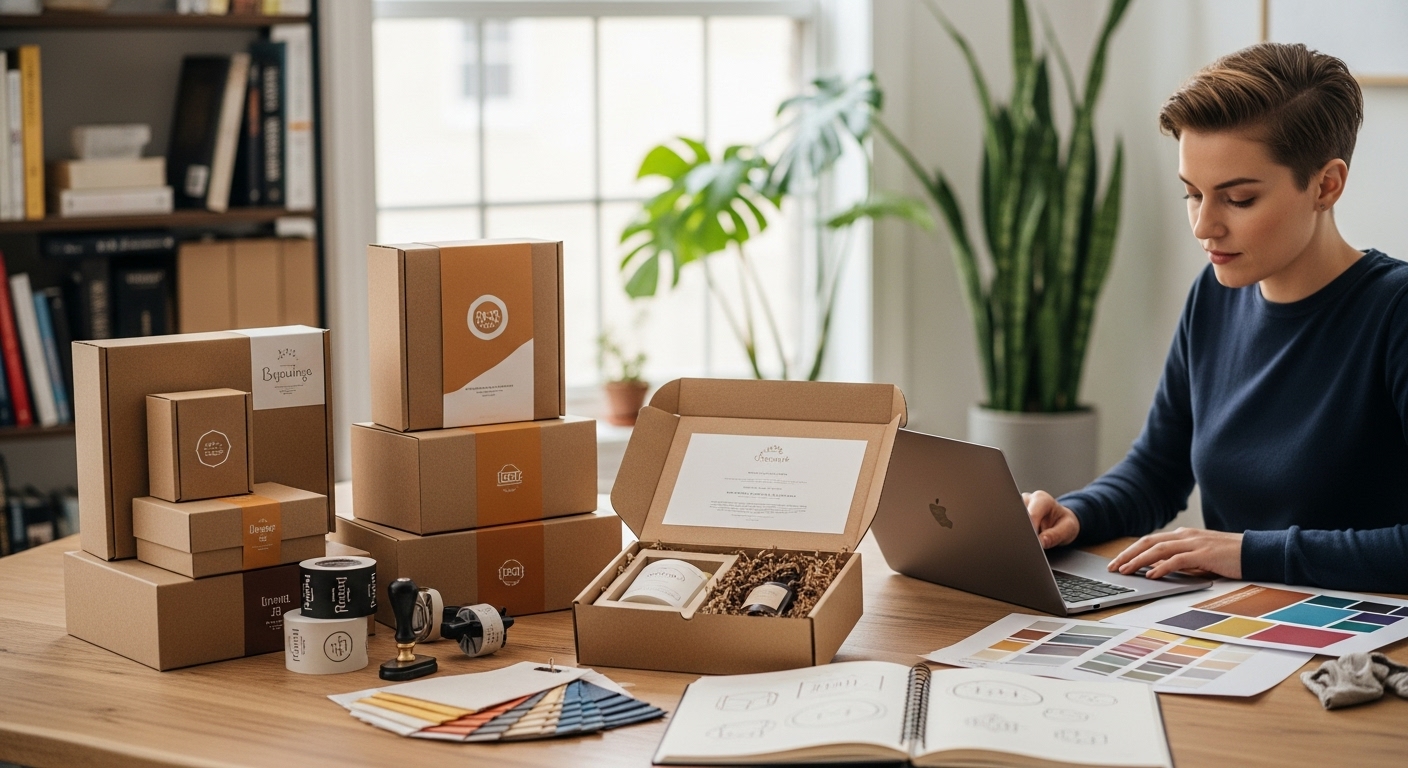
Here's how different packaging elements compare on impact and cost:
| Элемент упаковки | Влияние бренда | Стоимость реализации |
|---|---|---|
| Custom logo integration | Высокая ценность признания | Средние инвестиции |
| Personalized inserts | Повышение качества обслуживания клиентов | Низкая и средняя стоимость |
| Premium materials | Увеличение воспринимаемой ценности | Более высокие инвестиции |
| Sustainable options | Позиционирование экологического бренда | Переменные затраты |
The key insight here is this: inserts give you the highest impact per dollar spent. A simple thank-you card or care instruction sheet costs almost nothing to produce, but it creates a touchpoint that a plain package never can.
What Does Strategic Brand Differentiation Actually Look Like?
Established white-label fulfillment providers let brands implement sophisticated packaging strategies without massive upfront investments. Low MOQ flexibility allows startups to test branded packaging concepts before scaling production.
Think about how Apple and Tiffany & Co. use packaging as part of the product itself. Apple's unboxing experience creates anticipation before you've even touched the device. Tiffany's blue box communicates luxury before you've opened it. You don't need their budget to apply the same thinking.
For smaller brands, Glossier is the better case study. They turned simple cosmetics into shareable experiences through Instagram-worthy packaging. Their minimalist design with custom logo placement turned customers into brand ambassadors. That organic content loop reduced their paid acquisition costs over time.
The pattern is consistent: brands that invest in packaging early build stronger retention and higher average order values. Brands that skip it compete on price — and that's a race no small store wins.
Как выбрать подходящего OEM-партнера?
Выбор неправильного OEM-партнера может уничтожить потенциал вашего бренда еще до запуска.
Выбор подходящего OEM-партнера требует оценки его возможностей кастомизации, гибкости MOQ, опыта брендинга и инфраструктуры выполнения заказов для обеспечения соответствия вашему видению и позиционированию на рынке.
I've seen this go wrong in two ways. The first is picking a partner based on price alone and getting inconsistent quality at scale. The second is locking into a high-MOQ contract before you've validated the product. Both are avoidable if you know what to look for upfront.
What Are the Core Criteria for Evaluating OEM Services?
The foundation of a good OEM partnership comes down to three areas: technical capabilities, operational flexibility, and brand alignment.
Technical capabilities cover whether the supplier can actually execute your packaging vision — not just print a logo, but match your color system, use your specified materials, and maintain that consistency across thousands of units. Ask to see production samples, not just mockups.
Operational flexibility covers MOQ structures and lead times. Your ideal partner should be able to support small test runs before you commit to larger production volumes.
Brand alignment is harder to measure, but it matters. The best partners act as consultants, not just manufacturers. They ask questions about your target customer, your price point, and your growth plans. That kind of proactive input is worth more than a slightly lower per-unit cost.
Use this decision matrix to compare partners before you commit:
| Фактор оценки | На что обратить внимание | Красные флажки |
|---|---|---|
| MOQ flexibility | 50–500 units for testing | Фиксированный минимум 10 000+ |
| Customization options | Логотип, упаковка, цвета, материалы | Только общие шаблоны |
| Lead times | 7–15 days for samples | 30+ дней для базовых котировок |
| Quality certifications | ISO, FDA, CE (в зависимости от продукта) | Отсутствие проверяемых стандартов |
| Общение | Выделенный менеджер по работе с клиентами | Только автоматические ответы |
White-label fulfillment capabilities are what separate professional partners from basic manufacturers. The best providers offer integrated packaging automation that maintains brand consistency while reducing operational complexity. That means your products arrive with the same premium presentation whether it's order number 10 or order number 10,000.
Каковы лучшие практики внедрения логотипов и вставок?
Poor packaging design costs brands a significant share of their potential customer recognition. Generic packaging makes premium products look cheap. Smart custom logo implementation turns ordinary packages into brand touchpoints.
The best practices for implementing custom logos and inserts include strategic placement at 2–3 touchpoints, maintaining consistent brand colors across materials, and optimizing insert content for maximum customer engagement. Focus on MOQ flexibility and white-label automation for scalable results.
How Should You Approach Logo Placement and Design Consistency?
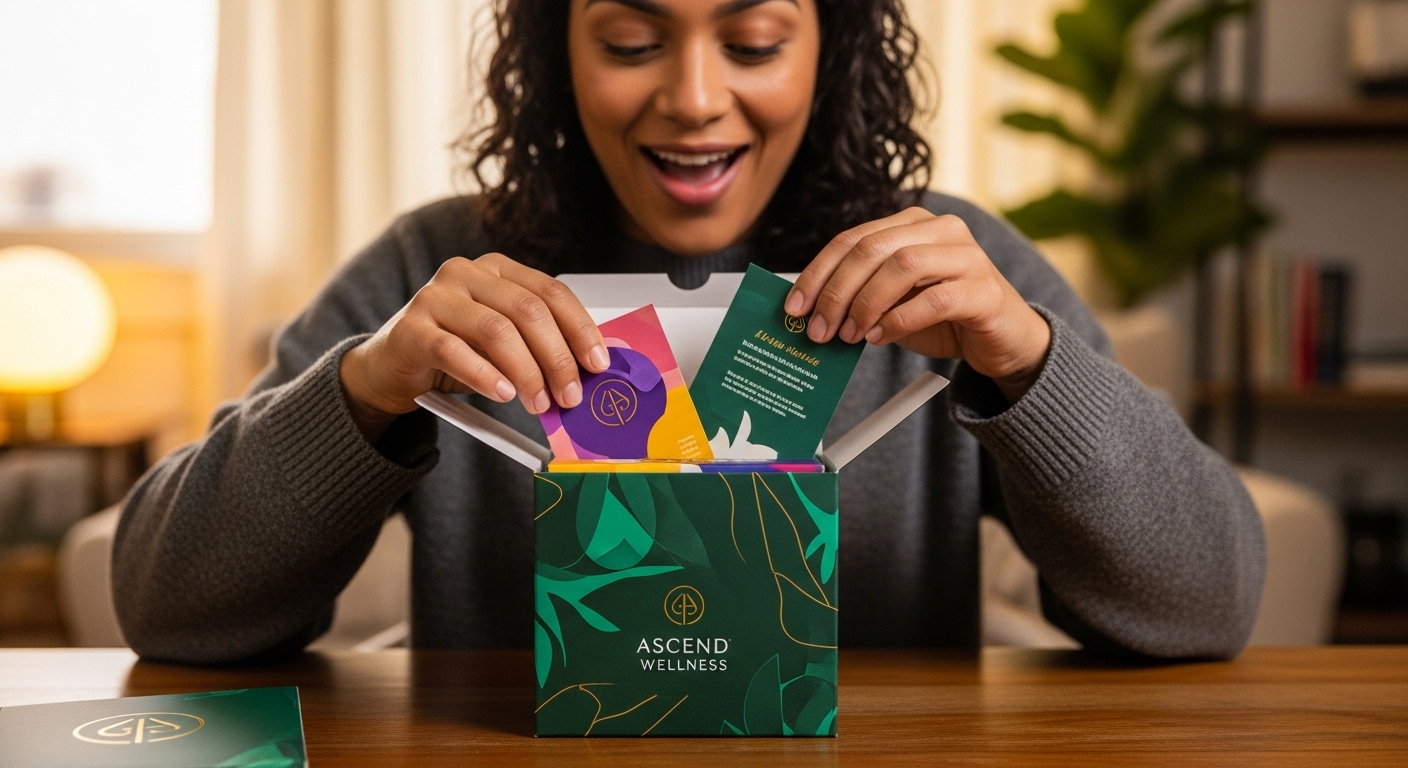
Effective custom logo implementation goes beyond choosing a spot on the box. Position your logo where customers naturally look first — typically the top-right corner or the center face of the packaging. A mature white-label fulfillment system ensures consistent logo application across thousands of units without quality degradation.
Brand consistency also extends to color matching across different materials. Packaging inserts should complement your primary packaging design, not compete with it. Use the same color palette but vary the intensity. If your main package uses bold brand colors, consider softer tones for inserts. That creates visual hierarchy without visual noise.
One thing I see brands get wrong is treating inserts as an afterthought. An insert is your second chance to speak directly to the customer after the product itself. Use that space to tell them something useful — a care guide, a discount code for their next order, or a short brand story. All three of those have measurable impact on repeat purchase rates.
How Do You Optimize MOQ Structures for Custom Packaging?
Understanding minimum order quantities helps startups balance customization costs with brand impact. Smart brands use flexible MOQ structures to test designs before committing to large runs.
| Уровень настройки | Типовое MOQ | Влияние на стоимость | Лучшее для |
|---|---|---|---|
| Печать только логотипов | 100–500 units | Низкий | Startups testing the market |
| Нестандартные вставки | 500–1,000 units | Средний | Наработанные линейки продуктов |
| Полная индивидуальная упаковка | 1,000–5,000 units | Высокий | Масштабирование брендов |
Personalized inserts offer the highest ROI for emerging brands. They require lower MOQs than full packaging customization while still delivering a premium unboxing experience. Consider seasonal insert variations to keep things fresh without redesigning your entire packaging system.
The practical takeaway: start with inserts, validate the customer response, then move up to full custom packaging once you have the volume to justify it. That's the lowest-risk path to a fully branded fulfillment operation.
Заключение
Private label dropshipping suppliers transform brand identity by turning generic products into distinctive market assets through strategic packaging customization, flexible MOQ options, and white-label fulfillment solutions. The right OEM partnership lets startups compete with established brands while keeping operations cost-effective and scalable.
Ready to transform your brand identity? Partner with experienced fulfillment providers who understand custom logo implementation, packaging automation, and the kind of personalized customer experiences that drive long-term loyalty.
ЧАСТО ЗАДАВАЕМЫЕ ВОПРОСЫ
Вопрос 1: Как поставщики дропшиппинга могут помочь с индивидуальной упаковкой и фирменным стилем?
Поставщики дропшиппинга с частными марками позволяют компаниям создавать индивидуальную упаковку с логотипом, цветами и персонализированными вкладышами. Это превращает обычные продукты в брендированные товары, помогая брендам и стартапам, пользующимся влиянием, обеспечить уникальное присутствие на рынке за счет последовательной визуальной идентификации во всех точках контакта с покупателем.
Вопрос 2: Каковы минимальные объемы заказов на упаковку с логотипом у поставщиков дропшиппинга?
Minimum order quantities (MOQs) for custom logo packaging vary by supplier, but many private label dropshipping companies offer flexible options starting from 50–100 units. Some specialized suppliers provide even lower MOQs for startups, allowing influencer brands to test packaging designs before committing to larger quantities.
Вопрос 3: Как персонализированные вкладыши повышают качество обслуживания покупателей при дропшиппинге частных марок?
Personalized inserts like thank you cards, care instructions, and brand story booklets create memorable unboxing experiences. These custom elements help build customer loyalty, encourage social media sharing, and differentiate your brand from competitors in the crowded eCommerce space.
Вопрос 4: Могут ли поставщики дропшиппинга, специализирующиеся на частных марках, выполнять автоматическую упаковку и доставку?
Да, многие современные поставщики дропшиппинга предлагают автоматизированные упаковочные решения, которые объединяют индивидуальный брендинг с выполнением заказов "под белой маркой". Эти системы могут автоматически наносить ваш логотип, включать персонализированные вкладыши и обрабатывать логистику доставки, сохраняя при этом последовательное представление бренда во всех заказах.
Q5: Какие варианты упаковки доступны для стартапов, производящих нишевые продукты?
Стартапы, производящие нишевые продукты, могут воспользоваться различными вариантами персонализации упаковки, предлагаемыми поставщиками дропшиппинга, включая печать на коробках, брендированную ленту, папиросную бумагу с логотипами и экологически чистые упаковочные материалы. Эти варианты помогают создать целостный образ бренда, который резонирует с конкретной целевой аудиторией и поддерживает стратегии дифференциации бренда.

 English
 Spanish
 Portuguese
 Russian
 German
 Polish